



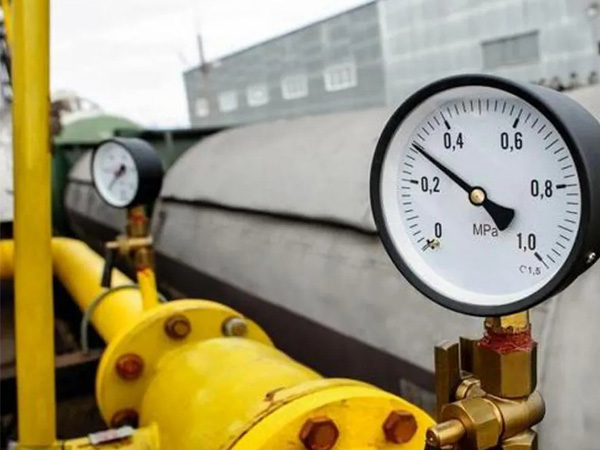
Due to the difference in upstream and downstream pressure, the flow of material through the valve is called pressure drop (△P) or differential pressure. If the pipe size is the same upstream and downstream of the valve and the speed is constant, the valve must reduce the fluid pressure through friction loss to produce flow. Part of the valve friction loss is caused by the friction between the fluid and the valve wall. However, this friction is small and does not produce sufficient pressure drop for the appropriate fluid. A more effective way to make the valve produce a significant pressure loss is through throttling in the valve body. Because many valves are designed to allow a portion of the valve to be more narrow than the line, it can easily provide throttling in the fluid layer. Because of the law of conservation, when the fluid approaches the valve, in order for all the fluid to pass through the valve, its speed must increase. Conversely, the corresponding pressure drop occurs.
The highest flow rate and lowest pressure occur downstream of the narrowest retraction, which is called the retraction section. Figure 2 shows that the contractile section is not at its own throttling, but at a distance downstream of the throttling, which varies with the pressure involved. When the flow velocity of the contracted section is the maximum, the flow area of the logistics layer is the minimum.
After shrinking the section, the flow slows down and the pressure rises again, but does not reach the original upstream pressure value. The difference between the upstream pressure and the downstream pressure is caused by the friction loss of the flow through the valve, which is called the permanent pressure drop. The pressure of the contracted section and the flow rate of the downstream pressure valve can be increased by reducing the downstream pressure. For liquid operations, the flow can be limited by a pressure drop below the flow vapor pressure, which will produce an inward exploding gas trap (called a cavitation or flash, respectively) of bubbles and gases. When the liquid flow has been filled by the fluid itself mixed with bubbles or gas traps, the flow blockage occurs and cannot be increased by reducing the downstream pressure. In other words, the formation of gas in the liquid fills the contracted section and limits the flow that can pass through the valve. For gases, when the flow rate is close to the speed of sound, a flow blockage may also occur, and the valve cannot increase the flow even though downstream pressure has been reduced
Valve high pressure drop effect
As discussed above, the following functions of the valve depend on the presence of a pressure drop that allows flow from the upstream vessel to the downstream vessel or to the atmosphere. Because the pressure drop is caused by the valve attracting energy through friction loss, the ideal pressure drop allows all the flow through the valve body without excessive flow rate, absorbing less energy. However, some process systems, due to the requirements of the system, may produce large pressure drops when passing through the valve.
High pressure drops through valves create many problems, such as cavitation, flash, clogged flow, high noise levels, and vibration. These problems cause many direct effects: wear and tear to the valve body and spool and damage to the cavitation, failure or deterioration of the valve itself, calibration drift of the accessory instruments, line fatigue or hearing loss of the adjacent workers. In this case, valves with high pressure drop operation require the use of more expensive spool, more frequent maintenance, large spare parts inventory, and line supports. These measures increase maintenance and engineering costs.
While users notice the impact of a high pressure drop, the biggest threat from the presence of a high pressure drop is a reduction in the efficiency of the process system. Because the high pressure drop absorbs a lot of energy, energy is lost from the system. In most process systems, the energy added to the system is generated by the pressure of the boiler or pump. When the amount of energy is absorbed by the system by both methods, including the energy loss of high pressure drop valves, larger boilers or pumps must be used. Therefore, if there are only a few high pressure drop valves in the system design, the system is more efficient and can use smaller boilers and pumps.
Add: No. 175, Lane 250, Fangde Road, Jiading District, Shanghai
Tel: +86-21-51863336
Fax: +86-21-34677003
E-mail: [email protected]
Fujian plant site:2233 Maosheng Road, Nan 'an City, Fujian Province
Factory telephone:+86-21-31007333

 Shanghai Public Network Anbei: 31011402004337Sitemap
 Home
Home Products
 Application
 Tel
Tel